 What Should I Do With Fall Leaves? {To Rake, Remove, or Mulch?}



Fine Fescue Lawn Care Calendar
by Gene Caballero | July 08, 2026
Fine Fescue Lawn Care Calendar
Fine fescue lawns are the most shade tolerant of the cool-season grasses, and they require less fertilizer and irrigation than most alternatives. That said, even low-maintenance grasses have basic needs that must be met to stay healthy.
This lawn care calendar walks you through how to maintain fine fescue month by month, with maintenance peaking in early fall.
Before we get started, here’s an important fact about fine fescue. Fine fescue isn’t a single turfgrass, but a group of five different cool-season turfgrasses that includes:
Chewings fescue
Hard fescue
Sheep fescue
Strong creeping red fescue
Slender creeping red fescue
▲ marks the best time to perform the designated task.*
△ marks an acceptable time to perform the designated task.*
Jan |
Feb |
Mar |
Apr |
May |
Jun |
Jul |
Aug |
Sept |
Oct |
Nov |
Dec |
|
Winter |
Spring |
Summer |
Fall |
|||||||||
Irrigation |
△ |
▲ |
▲ |
△ |
△ |
△ |
▲ |
▲ |
△ |
|||
Mowing |
△ |
▲ |
▲ |
△ |
△ |
△ |
▲ |
▲ |
△ |
|||
Fertilization |
△ |
▲ |
△ |
|||||||||
Aeration |
△ |
▲ |
||||||||||
Thatch Removal |
△ |
▲ |
||||||||||
|
Overseeding |
△ |
▲ |
||||||||||
|
Pre-emergent herbicide |
Soil temp 50 - 55°F |
Soil temp approaches 70°F |
Spring: March, April, May
Fine fescue lawns begin to green up in early to mid-spring as temperatures warm. Spring chores are minimal, with most treatments occurring in fall.
Spring Cleanup
Give your lawn a headstart to the growing season by performing a spring cleanup.
Gently rake matted grass to remove snow molds and increase air circulation. Remove lingering winter debris, such as broken branches, twigs, or fallen leaves.
To make spring cleanup a breeze, hire a local lawn care professional for the job.
Mowing
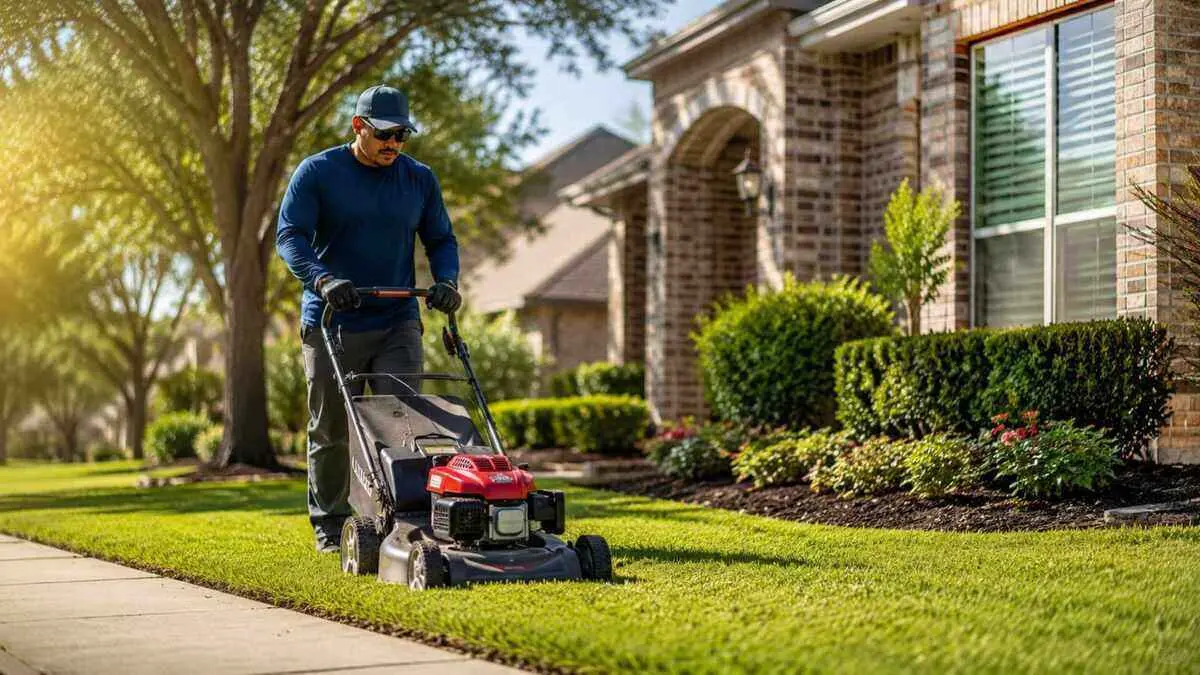
Begin your lawn mowing routine after the fine fescue greens up in spring. Mow the grass down to 2.5 to 4 inches as often as needed to avoid removing more than one-third of the grass blade’s height in a single mow.
Some fine fescues are sold in reduced-mow and no-mow seed mixtures, often combining creeping red fescue, hard fescue, and Chewings fescue. If your lawn was seeded with one of these blends, you can skip regular mowing in spring and let it grow into a natural, meadow-like look.
Tip: If mowing the lawn, mow shaded areas about 0.5 to 1 inch higher than areas in full sun.
Irrigation
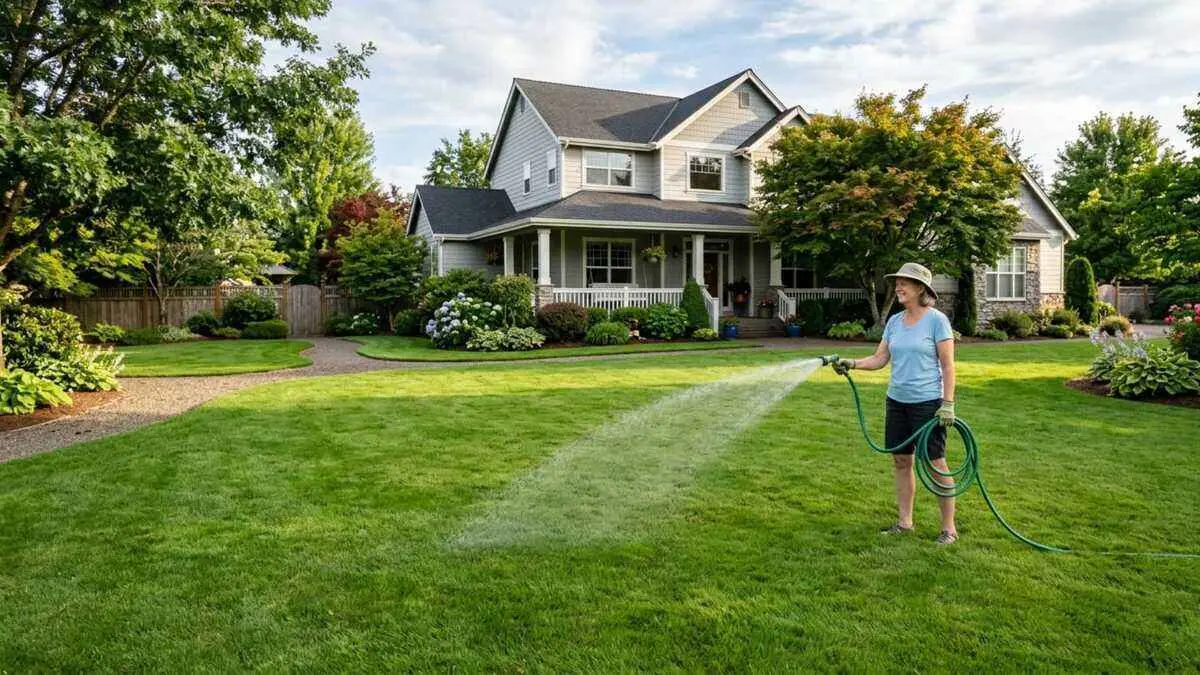
Fine fescue lawns need approximately 1 inch of water per week during the active growing season.
Fortunately, spring typically provides enough water through rainfall. Supplemental irrigation is usually only necessary during periods of drought or warm conditions. Signs that it’s time to water include wilting or curled leaves, footprints lingering in the grass, or a bluish-gray color.
The key to developing a deep root system is to water deeply and infrequently. To learn more about irrigation, check out our guide How to Water the Lawn: Tips & Schedule.
Weed Control
Weeds are less likely to invade a lawn that’s thick and well-maintained. However, when weeds keep coming back despite your best efforts to increase the lawn’s density, a pre-emergent herbicide can help block new weed growth.
To prevent summer weeds, apply a pre-emergent herbicide in early spring when soil temperatures are between 50°F and 55°F.
Fertilizer
The best time to fertilize fine fescues is in fall. However, if fertilizing in spring is necessary, apply between 0.5 to 1.0 pound of nitrogen per 1,000 square feet in mid-spring. Applying any more in spring may lead to excessive growth.
Fine fescue lawns typically only require one to two fertilizer applications throughout the year, for a total of 0.5 to 2 pounds of nitrogen per 1,000 square feet.
To determine what rate to apply other nutrients and amendments, send a soil sample to your local cooperative extension for soil testing. Early fall is the ideal time to test soil, but if you missed the fall window, test in spring.
Disease Control
Survey the lawn for common fungal diseases that affect fine fescues in spring, such as:
Dollar spot
Leaf spot
Pink patch
Powdery mildew
Red thread
Snow molds
Symptoms of fungal diseases often include brown patches in the lawn, dark lesions on individual grass blades, and web-like mycelium on dew-covered grass.
Fungicides are rarely necessary to control most spring diseases in home lawns. The best way to prevent and cure fungal diseases is with proper lawn management.
Summer: June, July, August
Do not fertilize or perform aggressive treatments in summer, such as thatch removal or aeration.
Mowing
Fine fescue requires less mowing in summer, because its growth usually slows during this time. Avoid mowing fine fescue when it’s experiencing drought stress.
Raise the mowing height to the upper limit of the fine fescue’s recommended height range, about 4 inches. Tall grass in summer helps to retain moisture by shading the soil and cooling the roots.
Always mow the lawn with sharp mower blades. Mowing with dull blades rips and tears the grass, resulting in water loss and yellowing. For more mowing tips, check out the following guides:
Irrigation
In summer, provide your fine fescue lawn with 1 inch of water per week, or allow it to go dormant. Dormancy is a natural survival mechanism, and the lawn should green up again when irrigated or when cool temperatures return in fall.
However, don’t let the lawn go completely without water. Dormant fine fescue lawns should receive 0.75 to 1 inch of water every three weeks either through rainfall or supplemental irrigation.
Disease Control
Continue to monitor the lawn for disease damage. Common fungal diseases affecting fine fescues in summer include:
Brown patch
Dollar spot
Necrotic ring spot
Summer patch
Fungicides are usually unnecessary to treat fungal diseases in home lawns. If the disease is reoccurring and proper management practices aren’t working, fungicides may be warranted.
Insect Control
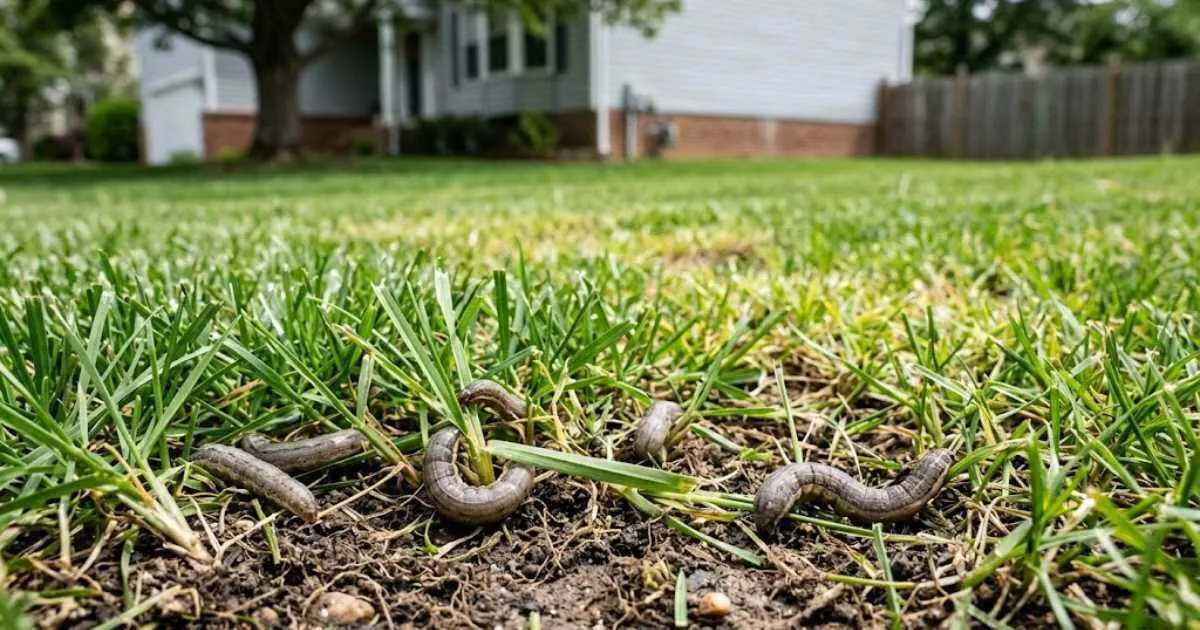
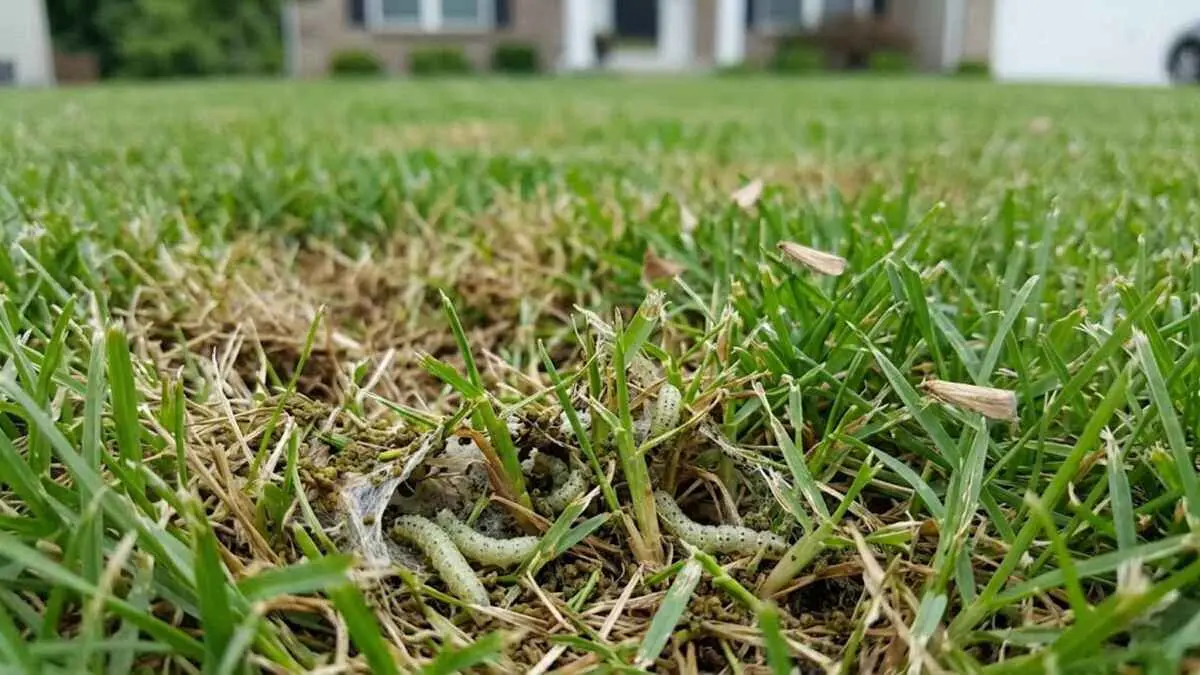
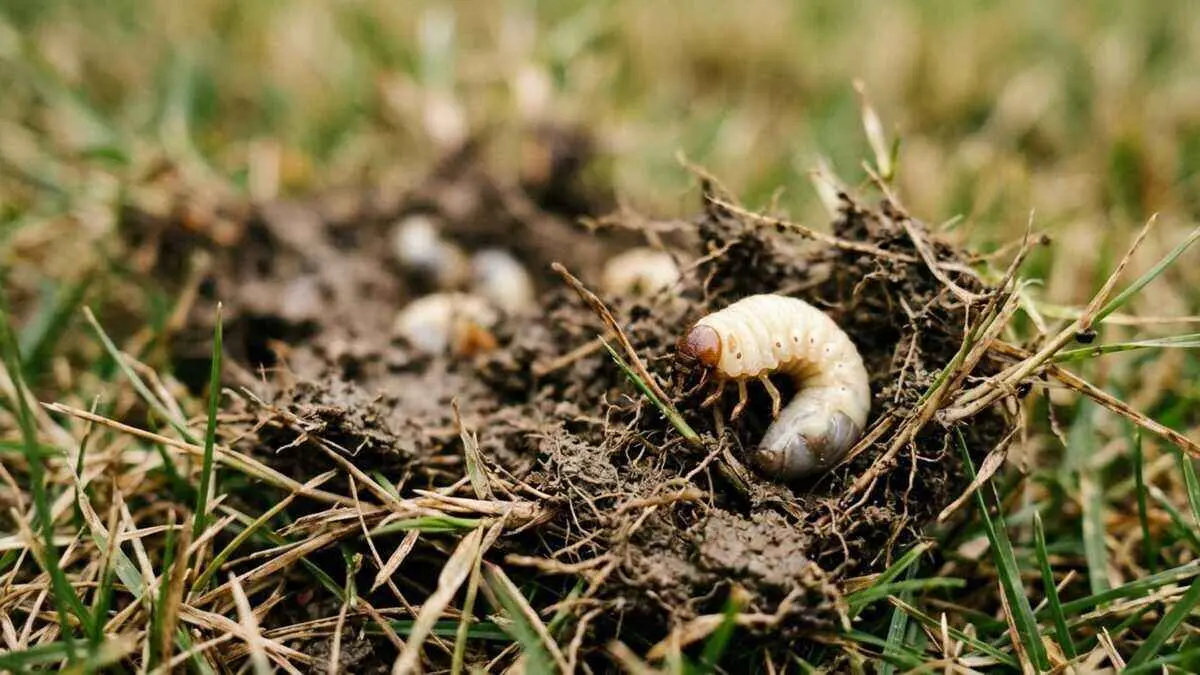
Billbug and white grub damage typically start to appear between late spring and early summer. Similar to fungal diseases, this pest problem is best controlled with proper turf management.
However, if the infestation is severe and improved lawn care is not working, curative insecticides may be necessary.
Weed Control
Weeds can spread quickly if not stopped in their tracks. Remove weeds in summer via hand-pulling, weeding tools, digging, post-emergent herbicide, or homemade weed killers.
Fall: September, October, November
Fine fescues grow most actively during the cool temperatures of spring and fall, requiring the most management in fall. Prepare to fertilize, aerate, dethatch, and test soil.
Test Soil
Test your lawn’s soil in early fall to allow yourself enough time to amend the soil before the spring growing season.
A soil test reveals nutrient deficiencies, ph imbalances, and organic matter levels in the soil.
Send a soil sample to your local cooperative extension for laboratory testing. In 1 to 2 weeks, you ought to receive detailed recommendations on what fertilizers and amendments to apply, at what rate, and how often.
Mowing
Continue to mow the lawn as often as needed to avoid removing more than one-third of the grass blade’s height.
If you raised the mowing height for the summer, you can gradually lower the height back down to the desired height over a few mows.
As late fall transitions into winter, lower the mowing height down to 2.5 inches, even if you grow a no-mow or reduced-mow lawn. Tall grass is susceptible to developing snow molds, winter injury, and matting.
Weed Control
If your lawn has a history of severe weed infestations in winter, you can apply a pre-emergent herbicide to help prevent them.
Apply pre-emergent herbicide in early fall when summer soil temperatures begin to drop and approach 70°F.
Tip: If timing allows, perform aggressive treatments (such as dethatching and aeration) before applying pre-emergent herbicide. Otherwise, the process of dethatching and aeration may break down the herbicide’s chemical barrier and make it less effective.
Irrigation
Continue to ensure the lawn receives 1 inch of water per week either through rainfall or supplemental irrigation.
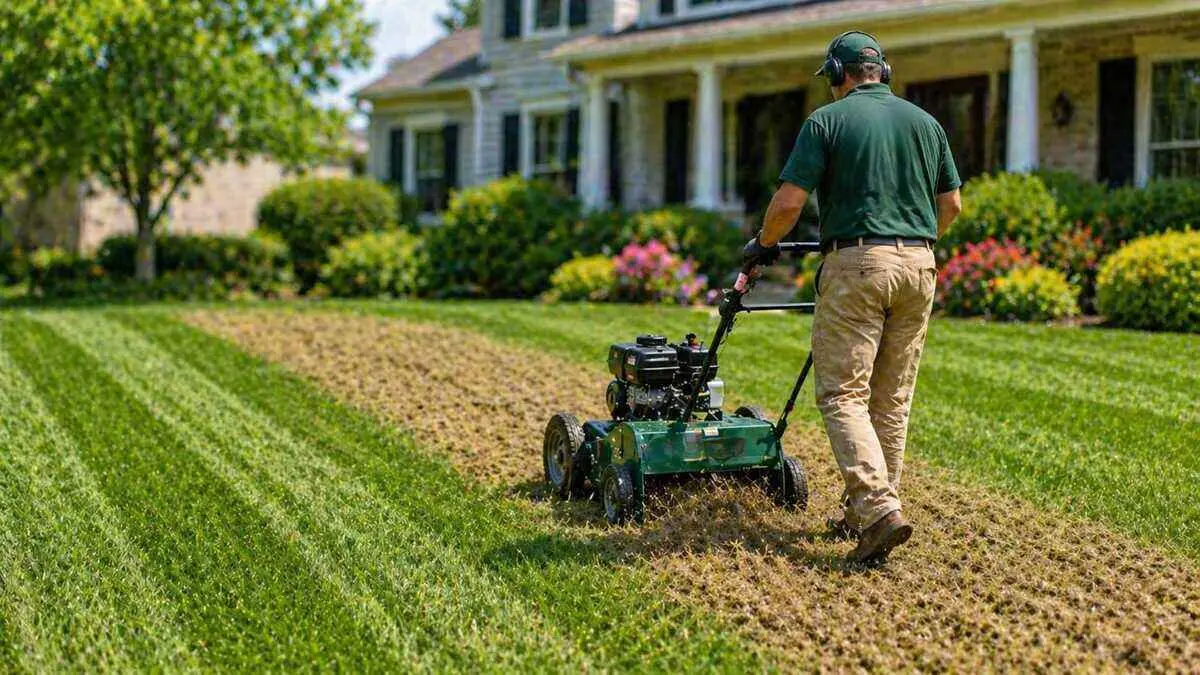
Thatch Removal
Early fall is the best time to remove thatch in a fine fescue lawn. However, this task can also be performed in mid-spring, if necessary.
Thatch is the layer of organic material that collects between the soil surface and grass blades. When the thatch layer exceeds one-half inch thick, it blocks oxygen, water, and nutrients from accessing the soil surface, and ought to be removed.
Chewings, hard, and sheep fescue usually don’t develop excessive thatch problems. However, if you grow creeping red fescue or a mixture of fine fescue and Kentucky bluegrass, then you may need to remove thatch every 3 to 5 years.
Tip: If dethatching and aerating in the same season, dethatch before you aerate.
Aeration
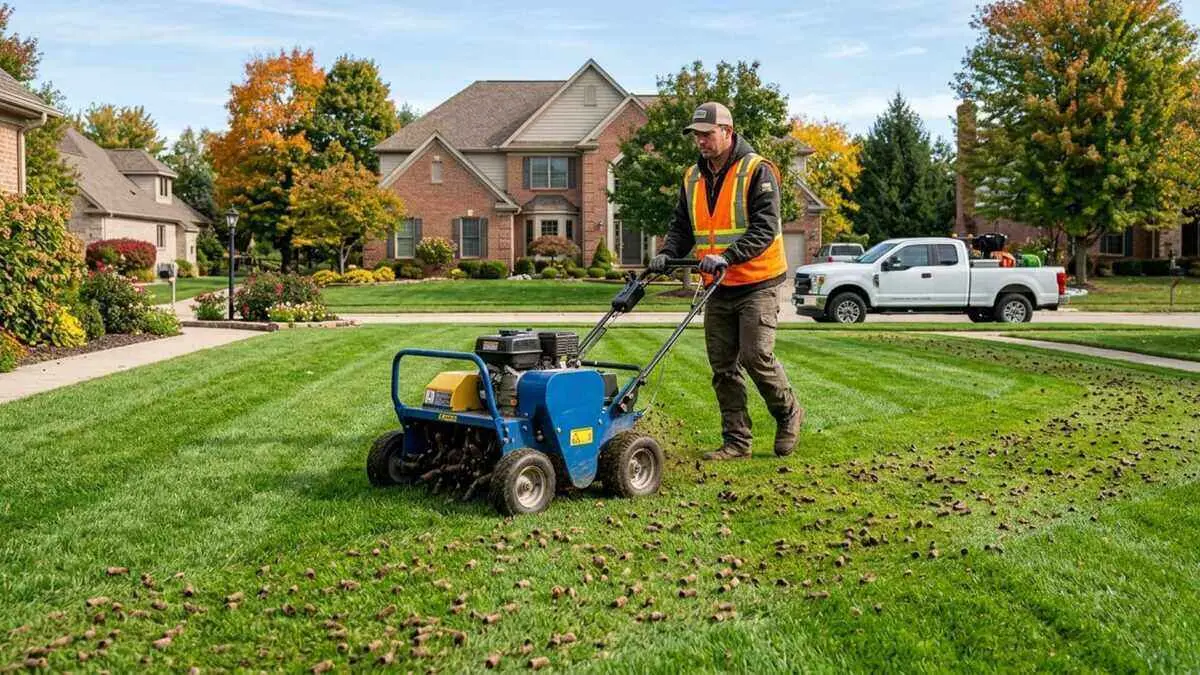
Early fall is the best time to aerate a fine fescue lawn. However, this task can also be performed in mid-spring, if necessary.
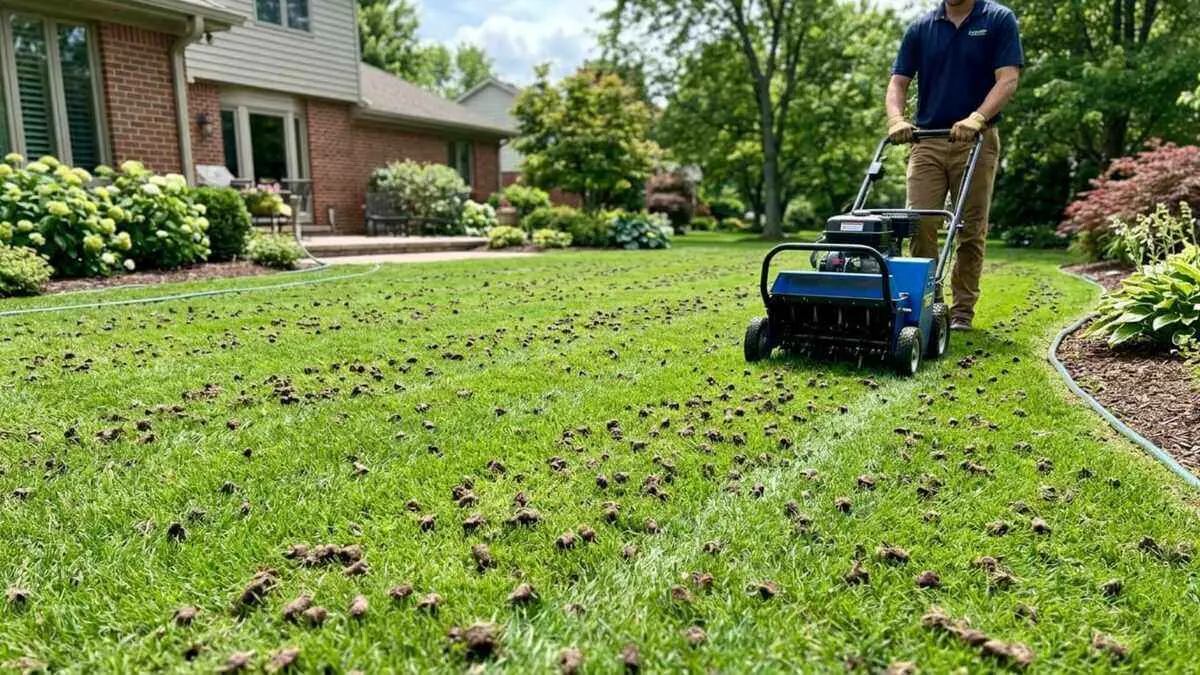
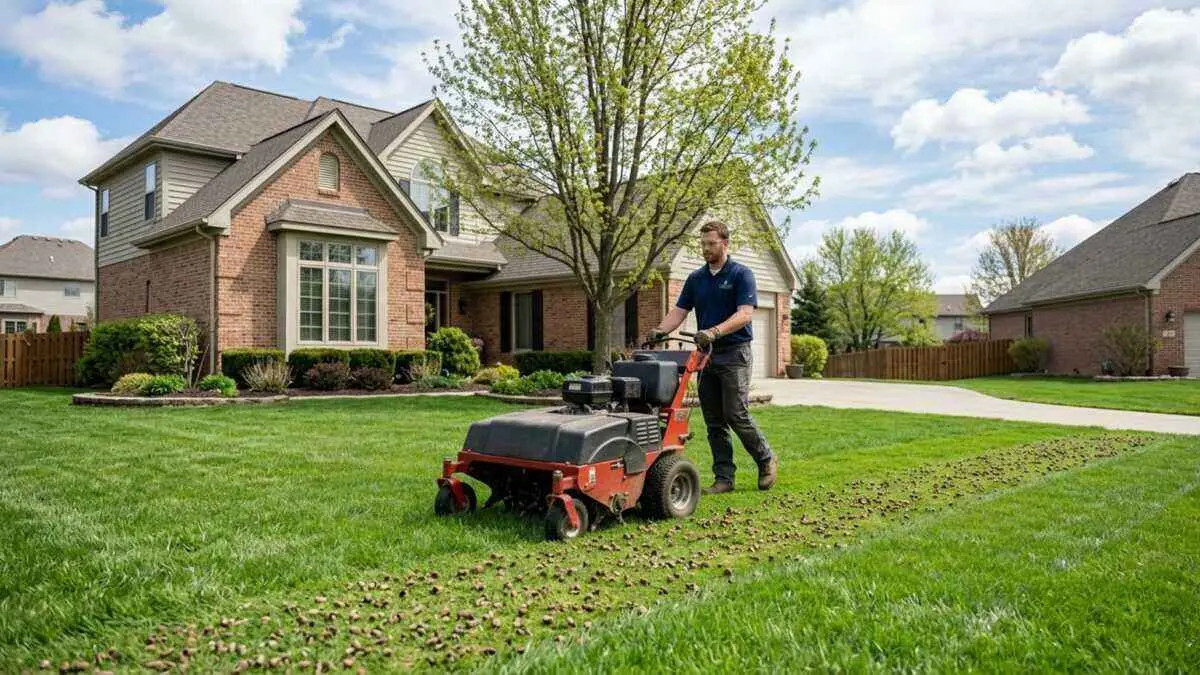
When the soil becomes hard and compacted, roots struggle to access oxygen, nutrients, water, and the available space needed to grow. Core aeration helps to relieve soil compaction by creating small holes in the ground that allow the soil to shift and loosen.
How often you aerate largely depends on the lawn’s soil type. If you live in an area with heavy clay soils — such as Boston, MA or Columbus, OH —, consider scheduling aeration services annually. If your lawn has sandy soil, you may only need to aerate once every 1 to 3 years.
Overseeding
If your lawn needs help recovering from summer injury, spread new grass seed over the injured areas in early fall.
Timing Tips:
Avoid overseeding and applying pre-emergent herbicide in the same season. Otherwise, the herbicide’s chemical barrier will prevent the grass seed from germinating.
For best results, aerate before overseeding to increase seed-to-soil contact.
After overseeding, wait 4 to 6 weeks before spreading a heavy nitrogen application.
Fertilize
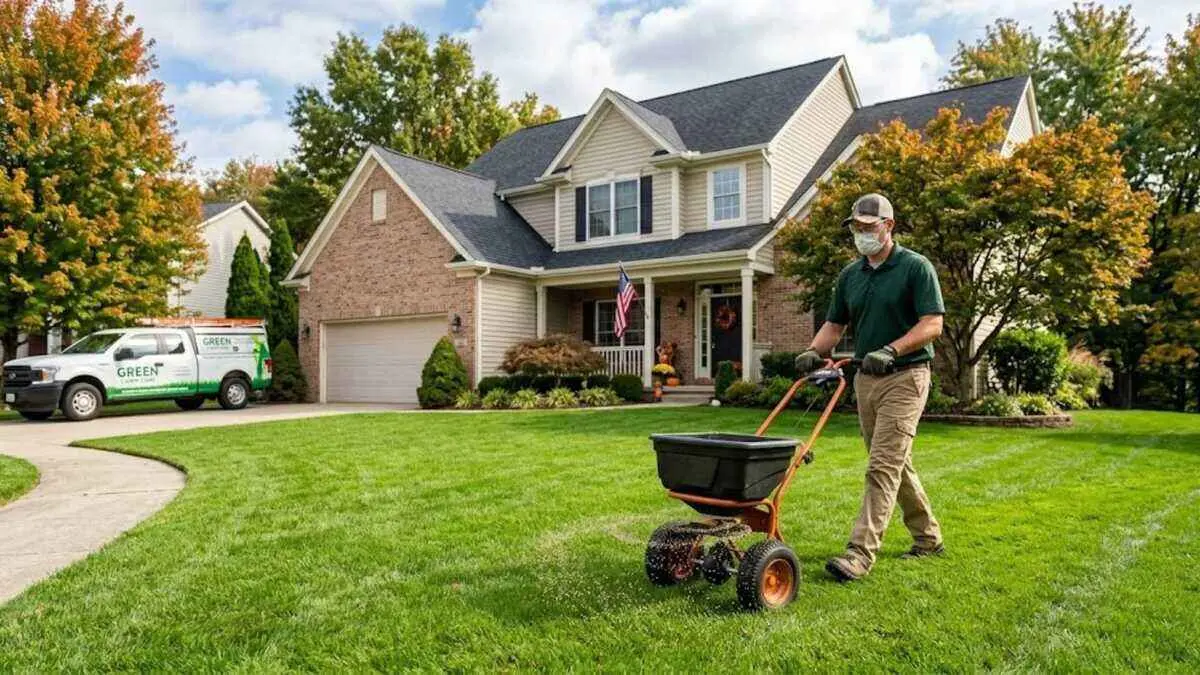
Fall is the best time to fertilize fine fescue. Apply 0.5 to 1.0 pounds of nitrogen per 1,000 square feet in early fall.
If the lawn needs further help recovery from summer stress, apply a second application at 0.5 pounds of nitrogen per 1,000 square feet in mid-fall.
Fine fescues should not receive more than 2 pounds of nitrogen per 1,000 square feet per year.
For other nutrient and amendment applications — such as potassium, phosphorus, lime, and sulfur — refer to the results of a soil test.
Leaf Removal
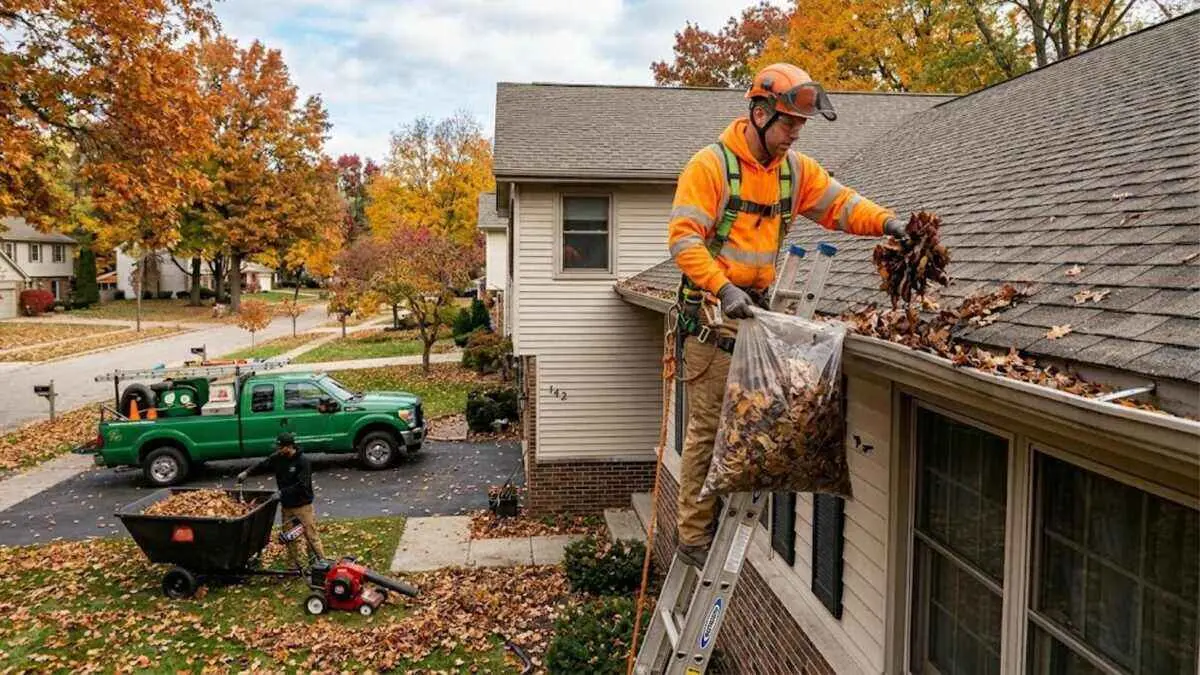
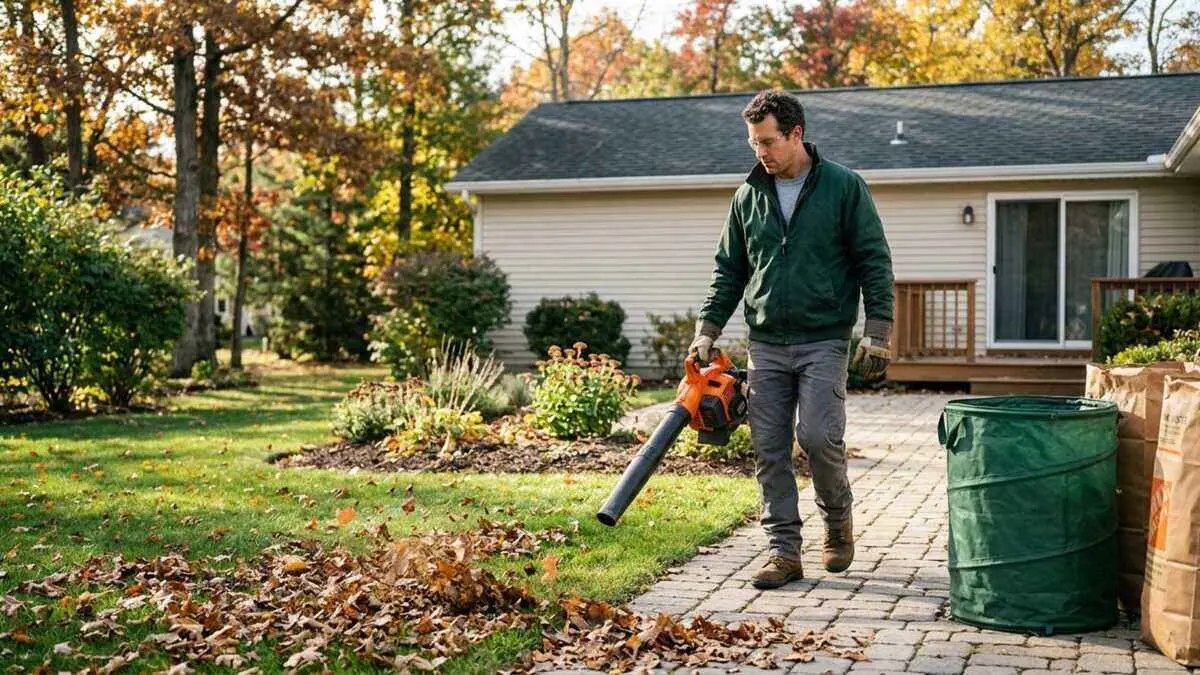
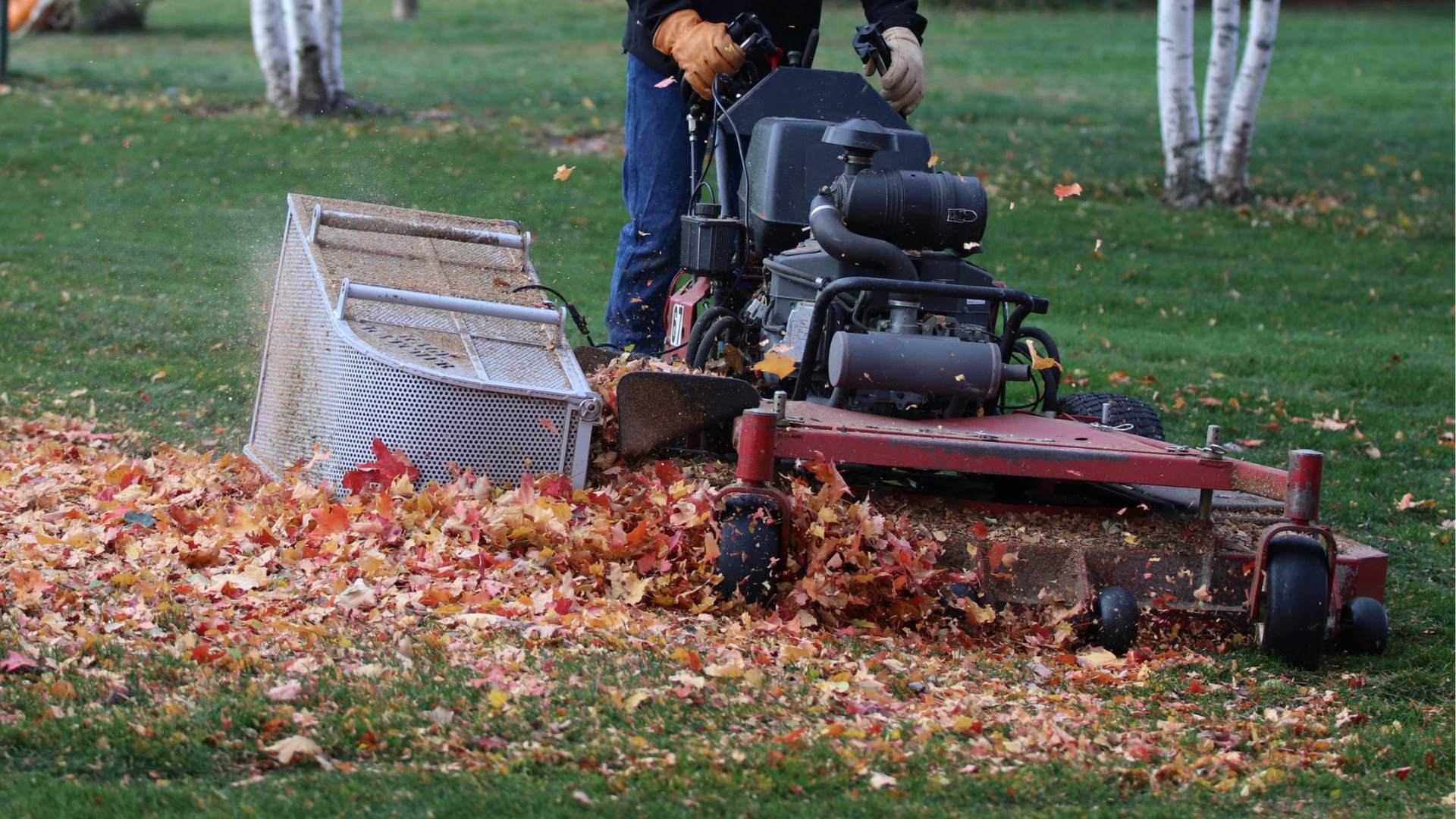
Removing or mulching leaves is an important part of lawn management. When too many leaves are left on the lawn, they smother the grass by blocking oxygen and sunlight. And when the leaves become wet for long periods, they create attractive conditions for pests and fungi.
Manage leaves with a leaf rake, leaf mulcher, leaf blower, or professional leaf removal services.
Winter: December, January, February
Winter lawn care is relatively easy, and doesn't require much work on your part. Here’s what to do:
Growth slows significantly in winter, so mowing is usually not required.
Do not fertilize or perform any invasive treatments in winter.
Monitor the lawn for winter weeds. If using post-emergent herbicide, only apply on warm days when temperatures are above 60°F.
During dry periods, ensure the dormant lawn receives 0.5 inches of water every 3 to 4 weeks. Only irrigate when air temperatures are above 40°F.
Find a Lawn Care Pro
Fine fescue lawns boast a fine, pine-needle-like leaf texture that looks soft and lush when well-maintained. Early fall is the best time to perform most treatments, including fertilizer applications, thatch removal, and aeration.
Mow the lawn as often as needed to avoid removing more than one-third of the grass blade at once. Or, if you grow a reduced-mow mixture, lower your mowing frequency to achieve a meadow-like appearance. When you’re ready to give the lawn a fresh cut before winter, find a local lawn care professional to handle the job with care.


 Lawn Care Glossary: 83 Common Terms Homeowners Hear From Lawn Pros
by Gene Caballero | July 05, 2026
 How Much Does Lawn Care Cost in San Antonio, TX? (2026 Pricing Guide)
by Gene Caballero | July 04, 2026